
Is Omega-7 the Next ‘Big Thing’ in Functional Lipids?
For decades, omega-3s have been the undisputed leaders in the healthy fats conversation. From heart health to cognitive support, they have earned their place as one of the most recognized and researched nutrients in the world.
But innovation rarely stands still.
As our understanding of lipid nutrition continues to evolve, researchers and product developers are turning their attention to a lesser-known fatty acid with intriguing potential: omega-7.
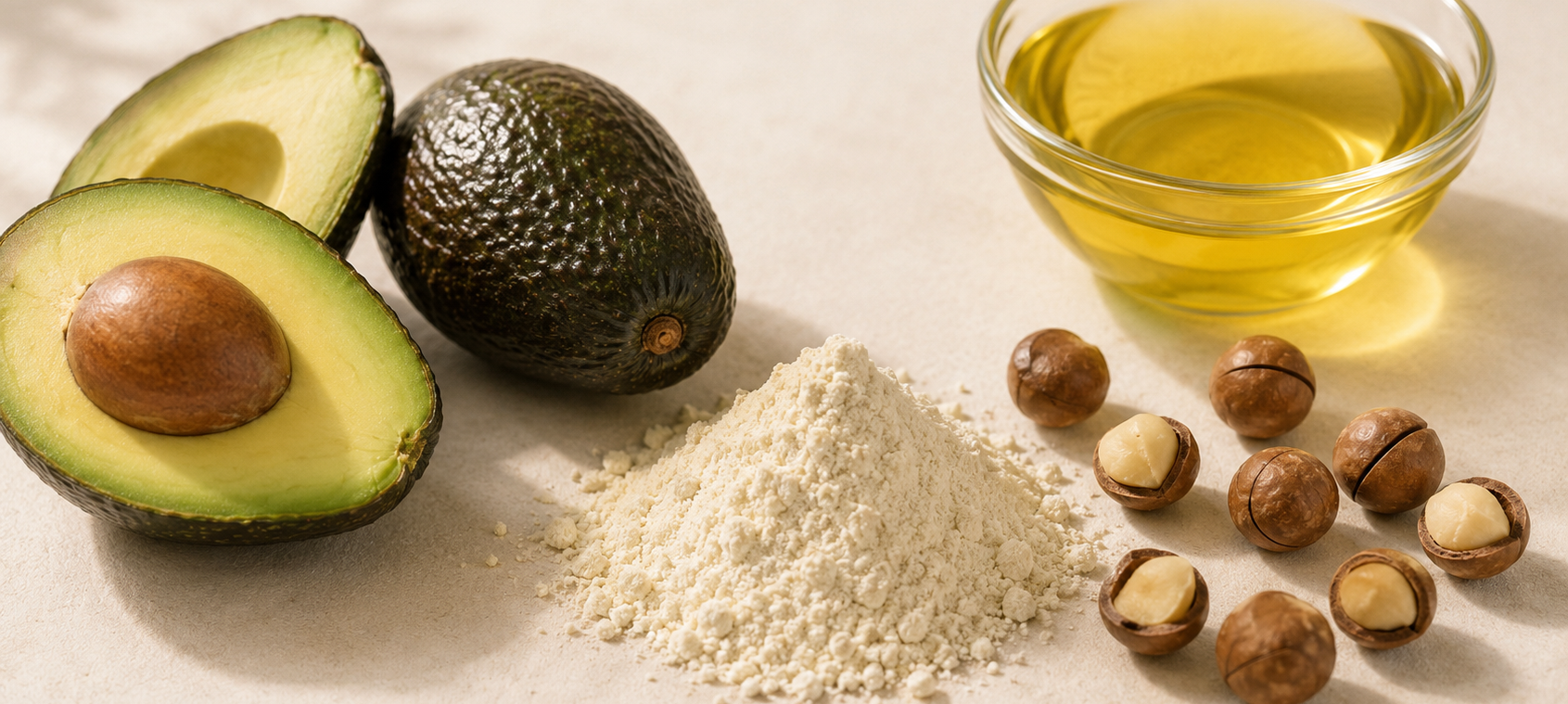
Found naturally in sources such as macadamia nuts and avocados, palmitoleic acid (omega-7) is gaining attention for its potential role in supporting cardiovascular health, metabolic function, and healthy aging. In fact, macadamia oil is considered one of the most concentrated natural sources of palmitoleic acid available in the human diet, helping distinguish it from more traditional plant oils. While omega-3s are often associated with inflammation management, omega-7 is being studied for its unique influence on lipid metabolism and cellular signaling pathways—offering a complementary story in the broader healthy fats landscape.
Research suggests that palmitoleic acid may act as a signaling lipid, influencing pathways related to glucose metabolism, lipid balance, and insulin sensitivity. In a review published in Lipids in Health and Disease, researchers highlighted omega-7's potential role in supporting healthy metabolic function, while noting its unique presence in sea buckthorn pulp oil at levels rarely found elsewhere in the plant kingdom.
A recent review published in LWT highlighted macadamia oil's unique fatty acid profile, noting its combination of palmitoleic acid, oleic acid, phytosterols, squalene, and vitamin E compounds that contribute to its growing interest in functional nutrition applications.
Emerging clinical research has also linked omega-7 supplementation with improvements in lipid markers. One placebo-controlled study reported reductions in triglycerides and LDL cholesterol alongside increases in HDL cholesterol in subjects receiving purified palmitoleic acid supplementation. Additional research has explored its role in supporting insulin sensitivity and reducing lipid accumulation in the liver. Researchers have also noted that macadamia oil's unique combination of palmitoleic acid, oleic acid, and naturally occurring antioxidants may support cardiovascular health, healthy lipid metabolism, and glycemic regulation. Unlike many commodity vegetable oils, macadamia oil delivers these benefits within a naturally occurring matrix of monounsaturated fats and bioactive compounds, making it an appealing platform for next-generation functional nutrition products.
This shift reflects a larger trend across the nutrition industry. Consumers are no longer looking for single-ingredient solutions; they are seeking more comprehensive approaches to wellness. As a result, brands are exploring new ways to formulate products that go beyond traditional nutrient categories and deliver differentiated health benefits. For product developers, that means identifying bioactives with compelling science while overcoming the formulation challenges that often limit their commercial potential. That’s exactly where CoreFX’s expertise is focused.
Among emerging omega-7 products, macadamia oil is attracting particular interest because it naturally combines approximately 60% oleic acid with around 20% palmitoleic acid—a fatty acid profile that is difficult to find elsewhere in nature. Beyond its omega content, macadamia oil also contains phytosterols, tocotrienols, and squalene, compounds that have been studied for their roles in cardiovascular health, healthy aging, skin health, and antioxidant protection. Combined with its formulation versatility across powders, beverage mixes, bars, gummies, and functional foods, macadamia oil offers brands a differentiated platform for next-generation healthy fats innovation.
Beyond metabolic wellness, omega-7 is also attracting attention in beauty-from-within applications. While macadamia oil is often discussed for its metabolic and healthy aging potential, research on other omega-7-rich sources such as sea buckthorn has explored support for skin hydration, elasticity, mucous membrane health, and eye comfort—creating opportunities for brands positioned at the intersection of beauty and wellness.
Omega-3s aren't going anywhere, but they're no longer the only story being told. As brands search for new ways to support heart health, metabolic wellness, and healthy aging, omega-7 is emerging as a compelling opportunity for innovation.
It will be interesting to see where the science (and the market) go next. The next generation of functional lipids will help new bioactives perform in finished products. Through our OmegaFX™ portfolio and CoreNhanced™ technology, we're helping brands incorporate innovative lipids like omega-7 into powders, beverages, gummies, bars, and other applications while supporting stability, dispersibility, and sensory performance.
Whether omega-7 becomes the next "big thing" will depend on more than the science. It will depend on whether brands can turn that science into products consumers want. That's where CoreFX is focused. We're watching this space closely and working with brands that want to stay ahead of emerging trends. We'd love to talk.
______________
References
Fang M, Chen T, McClements DJ, et al. Macadamia (Macadamia integrifolia) Oil: A Review of Its Extraction, Nutritional Composition, Health Benefits, and Applications. LWT. 2026.
Solà Marsiñach M, Pellejero Cuenca A. The Impact of Sea Buckthorn Oil Fatty Acids on Human Health. Lipids in Health and Disease. 2019.
García VL. The Omega 7 as a Health Strategy for the Skin and Mucous Membranes. EC Nutrition. 2019.
Larmo PS et al. Oral Sea Buckthorn Oil Attenuates Tear Film Osmolarity and Symptoms in Individuals with Dry Eye. The Journal of Nutrition. 2010.
Guo XF et al. Effect of Sea Buckthorn on Blood Lipid Profiles: A Systematic Review and Meta-analysis. Trends in Food Science & Technology. 2017.